 ultimate-guide
Home Hydrotherapy Tubs: Benefits for Wellness & Recovery
Table of Contents
- What Home Hydrotherapy Tubs Do
- Pain Relief Through Hydrotherapy for Muscle and Joint Pain
- Circulation, Mobility, and Recovery Benefits
- Hydrotherapy Tub Benefits for Seniors and Limited Mobility
- How Often to Use a Hydrotherapy Tub for Best Results
- Hydrotherapy Tub vs Soaker Tub: What's the Difference
- Installation, Safety, and What to Know Before Buying
- Frequently Asked Questions
Last Updated: October 5, 2026
What Home Hydrotherapy Tubs Do
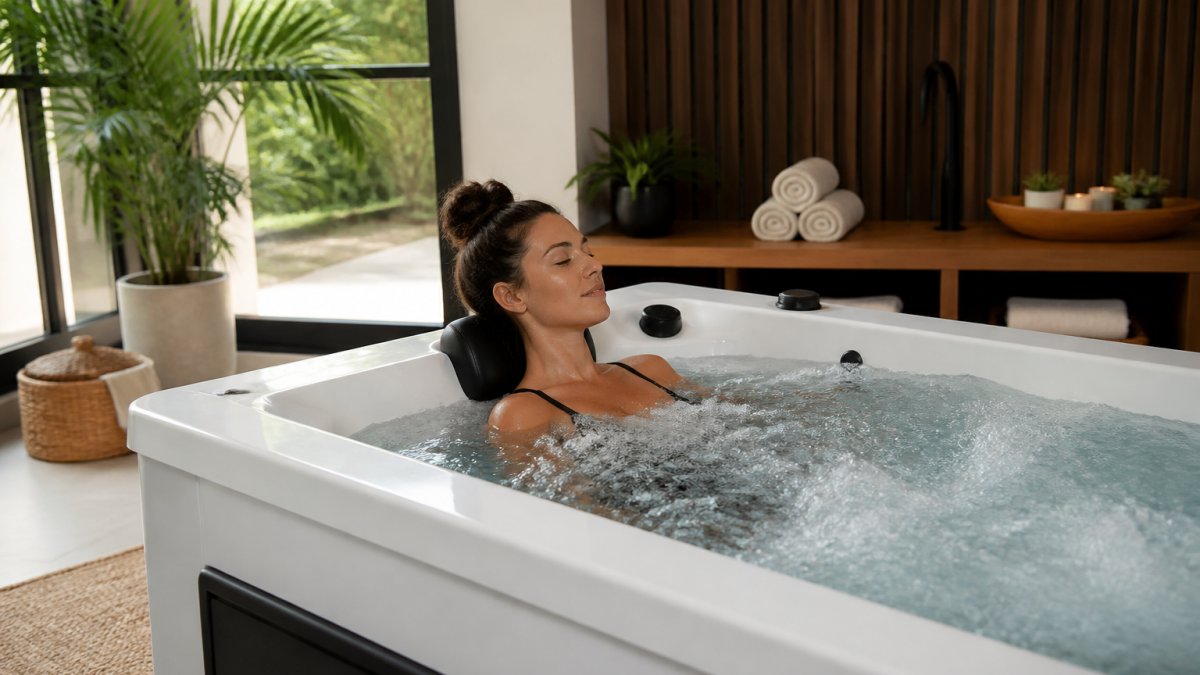
Home hydrotherapy tubs deliver therapeutic benefits through the combination of warm water, jets, and buoyancy. These systems use air jets, water jets, or both to create a massage effect that targets muscles and joints throughout your body.

The jets create thousands of bubbles or direct water streams that work in concert with the heat to deliver what many users describe as a spa-quality experience at home. The water temperature, jet intensity, and session duration all work together to create the therapeutic effect.
The mechanism is straightforward: buoyancy reduces the weight your joints must support, jets provide mechanical massage, and warm water dilates blood vessels. This combination addresses multiple wellness needs in a single soak.
Pain Relief Through Hydrotherapy for Muscle and Joint Pain
Warm-water immersion and jet massage are among the most studied applications of hydrotherapy, but the evidence is uneven. Some effects are well supported; others are plausible but not firmly established. Knowing which is which helps you set realistic expectations.
What the evidence supports reasonably well:
- Short-term muscle soreness and tension. Warm water raises tissue temperature, which increases muscle extensibility and reduces the sensation of stiffness. A 15-20 minute soak at 98-102°F before stretching or activity is a common pattern.
- Arthritis-related stiffness. The Arthritis Foundation recognizes warm-water exercise and soaking as a way to ease joint stiffness and improve range of motion, largely because buoyancy offloads body weight. In chest-deep water, you effectively bear roughly 25-35% of your body weight; in neck-deep water, closer to 10%.
- Perceived relaxation and pain tolerance. Heat and gentle massage can raise your pain threshold temporarily, which is why many people feel looser for an hour or two after a soak.
What needs more research or is largely anecdotal:
- Claims that jet massage "breaks up knots" or "flushes toxins" are not well supported. Jets provide mechanical stimulation that feels good and may reduce perceived tension, but they do not physically dissolve adhesions or detoxify tissue.
- Long-term disease modification (slowing arthritis progression, reversing chronic pain) is not established. Hydrotherapy manages symptoms; it does not treat the underlying condition.
- Individual results vary widely. Two people with the same diagnosis can respond very differently to the same water temperature and jet intensity.
How to use this realistically:
- Target the area, not the whole body. Position your lower back, shoulders, or calves directly in front of the jets for 3-5 minutes at a time, then rotate.
- Keep sessions to 15-20 minutes at 98-102°F. Longer or hotter is not better and raises the risk of dizziness or dehydration.
- Pair soaking with movement. The window right after a soak, when muscles are warm and joints are loose, is the best time for gentle stretching or range-of-motion work.
- Track results for 2-3 weeks. If you see no change in stiffness, sleep, or daily function, adjust temperature, duration, or jet type before concluding it does not work for you.
Who should be cautious:

- Cardiovascular conditions. Heat causes vasodilation and can drop blood pressure. If you have heart disease, uncontrolled hypertension, or a history of fainting, get clearance before regular hot soaking.
- Diabetes with neuropathy. Reduced sensation means you may not feel water that is too hot. Keep the temperature at or below 100°F and check with a thermometer, not your hand.
- Pregnancy. Prolonged soaking above 100°F is generally discouraged. Shorter, cooler sessions may be acceptable with a clinician's OK.
- Medications. Diuretics, blood pressure drugs, sedatives, and some antidepressants can amplify heat sensitivity or dizziness.
- Open wounds, active infections, or recent surgery. Skip soaking until healed and cleared.
Circulation, Mobility, and Recovery Benefits
Warm water naturally dilates blood vessels, which increases blood flow throughout your body. This enhanced circulation delivers more oxygen to muscles and tissues, supporting the recovery process.
Better circulation translates to faster recovery from physical activity. Athletes and active individuals often use hydrotherapy as part of their post-workout routine.
Mobility improves when muscles are relaxed and joints have better blood supply. Many users notice they can move through their normal range of motion more easily after regular hydrotherapy sessions.
The oxygenation benefit extends beyond immediate recovery. Over time, consistent use of a home hydrotherapy tub can support overall circulation health. This makes it a practical addition to any wellness routine focused on long-term mobility and function.
Hydrotherapy Tub Benefits for Seniors and Limited Mobility
Seniors benefit significantly from hydrotherapy tubs because the buoyancy reduces physical stress on joints and the nervous system.
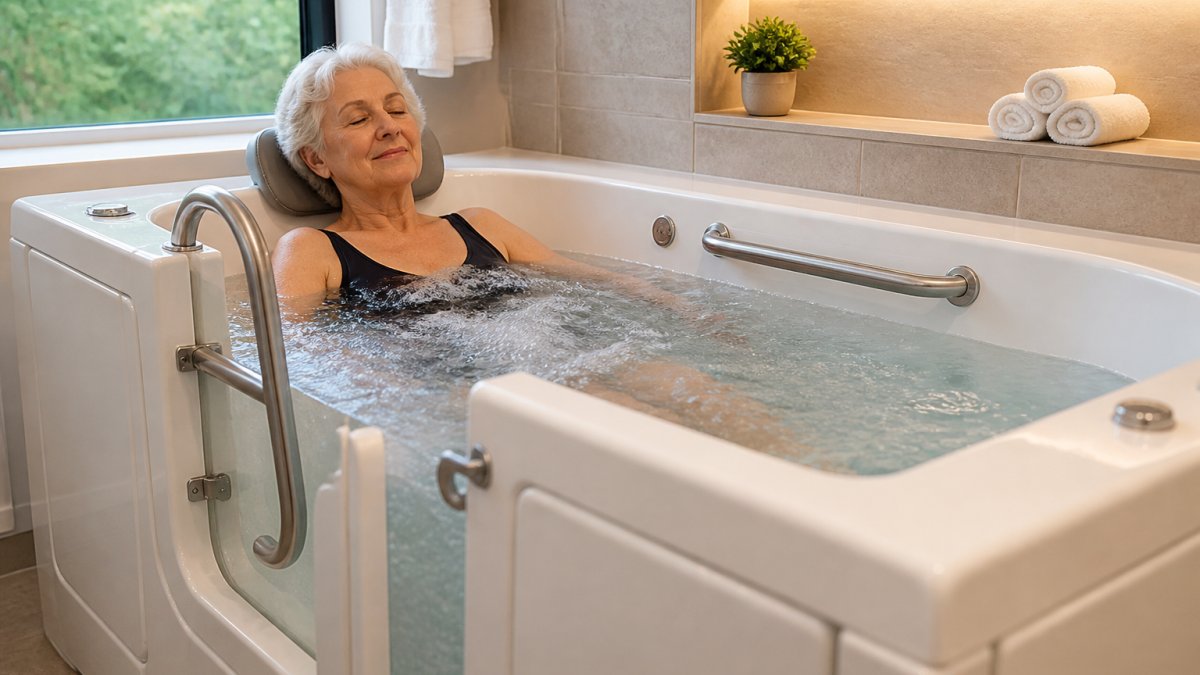
The accessibility factor matters greatly. Modern hydrotherapy tubs often include features like grab bars, non-slip surfaces, and walk-in designs that make entry and exit safer.
Stress relief and improved sleep quality are additional benefits for this population. The relaxation that comes from a warm water soak with gentle massage can ease anxiety and promote better sleep at night.
Balance and confidence often improve as well. When joints are less stiff and muscles are more relaxed, seniors move with greater ease and confidence.
How Often to Use a Hydrotherapy Tub for Best Results
Most users find that 2-4 sessions per week delivers noticeable benefits without creating dependency or overuse. This frequency allows your body to recover between sessions while maintaining the cumulative benefits of regular hydrotherapy.
Session length typically ranges from 15-30 minutes. Longer isn't always better; many people find that 20 minutes provides the ideal balance between therapeutic benefit and water efficiency.
Nuvia Serenity 59-Inch 2-Person Acrylic Corner Whirlpool 16-Jet Hydromassage →
The best approach is to start with 2-3 sessions weekly and observe how you feel. If you notice improved mobility, better sleep, or reduced tension, that frequency is working for you.
Consistency matters more than intensity. Regular use builds cumulative benefits that show up in your daily life, not just during the soak itself.
Hydrotherapy Tub vs Soaker Tub: What's the Difference
A soaker tub is designed for deep, comfortable soaking with high water capacity. These tubs emphasize comfort and the relaxation of simple immersion in hot water. They typically lack jets and focus on the therapeutic benefits of heat and buoyancy alone.
A home hydrotherapy tub includes jets, either air jets, water jets, or both, that create massage action. This mechanical stimulation is the key difference.

For pure relaxation and stress relief, a soaker tub works well. For therapeutic benefits targeting specific muscle groups, joint pain, or circulation, a hydrotherapy tub delivers more comprehensive results. The choice depends on your primary goals and what you'll actually use regularly.
Cost is another consideration. Soaker tubs generally cost less than hydrotherapy tubs because they lack the jet system and associated plumbing.
Installation, Safety, and What to Know Before Buying
A hydrotherapy tub is a construction project, a plumbing upgrade, and an ongoing utility expense rolled into one purchase. Understanding all three before you buy prevents the most common and expensive mistakes.
Space and access requirements
- Measure the doorway, hallway turns, and stairwells on the path to the bathroom. A tub that fits the room but not the route is a costly return.
- Standard alcove tubs are roughly 60 inches long by 30-32 inches wide. Drop-in and freestanding hydrotherapy models often run 66-72 inches long and 36-42 inches wide. Walk-in tubs need additional clearance for the door swing and a seated entry.
- Leave at least 15-18 inches of clear floor space on the entry side for safe transfer in and out.
- Confirm floor structure. A filled tub plus a bather can exceed 800-1,000 pounds. Older homes with joist spans over 12 feet may need reinforcement; a contractor or structural engineer can confirm.
Electrical and plumbing
- Most jet systems require a dedicated 120V circuit; larger pumps and heaters often need 240V. A dedicated GFCI-protected circuit is standard and required by code in wet locations.
- Confirm your water heater capacity. Filling a 60-80 gallon tub can drain a standard 40-50 gallon tank. Tankless or high-recovery heaters handle this better.
- Check water pressure and flow. Jet performance depends on adequate pressure; low-pressure homes may need a booster pump.
- Budget for permits and inspection. Electrical work in a bathroom typically requires a permit, and unpermitted work can complicate resale.
Typical cost ranges (varies by region, model, and home)
- Tub purchase: entry-level air-jet models start in the low thousands; premium water-jet and combination systems run well into five figures.
- Installation: plumbing, electrical, and finish work commonly add several thousand dollars, more if structural reinforcement or relocation is needed.
- Ongoing costs: water, heating, and electricity for regular use typically add a modest monthly amount to utility bills; jet cleaning supplies and occasional pump or heater repairs add to the total.
- Repair risk: pumps, heaters, and control boards are the most common failure points and can be expensive to replace out of warranty.
Maintenance you should plan for
- Flush the jet lines with a manufacturer-approved cleaner every 2-4 weeks if you use the tub regularly. Biofilm and mineral buildup are the leading causes of odor and reduced jet performance.
- Wipe down surfaces after each use and leave the door or cover open briefly to dry.
- Inspect and clean the filter (if equipped) monthly.
- Schedule a professional service check annually for pumps, heaters, and seals.
Safety features to look for
- Anti-slip floor and seat surfaces.
- Grab bars rated for the load and installed into blocking, not just tile.
- Thermostatic temperature control that caps water temperature.
- Emergency drain or quick-release drain for walk-in models.
- Accessible jet and temperature controls reachable from a seated position.
Matching the tub to your goal
- Air jets push warm air through small holes, creating a gentle, full-body bubble massage. Best for relaxation and general comfort; less targeted.
- Water jets (whirlpool) push pressurized water through adjustable nozzles. Best for targeted muscle relief and deeper massage.
- Combination systems offer both, usually at higher cost and complexity.
- Soaking tubs have no jets and rely on heat and buoyancy alone. Best for pure relaxation and lower maintenance.
- Walk-in tubs prioritize safe entry and seated soaking. Best for limited mobility, but they fill and drain slowly and cost more.
Frequently Asked Questions
What are the main benefits of using a home hydrotherapy tub?
Home hydrotherapy tubs combine warm water, buoyancy, and jet massage to deliver multiple benefits. The jets target muscle tension and joint stiffness, while buoyancy reduces pressure on your body. Warm water increases blood flow and circulation, promoting oxygenation and recovery. Many users report stress relief, improved sleep quality, and better mobility after regular soaks. The combination of these elements makes hydrotherapy effective for both acute discomfort and chronic conditions like arthritis.
How often should you use a hydrotherapy tub?
Most people benefit from using a hydrotherapy tub 3-4 times per week for 15-30 minutes per session. Frequency depends on your individual needs and recovery goals. Some users with chronic pain find daily use helpful, while others prefer every other day. Start with 2-3 sessions weekly and adjust based on how your body responds. Consistency matters more than intensity; regular, moderate use typically produces better results than occasional long sessions.
Can a hydrotherapy tub help with arthritis and joint pain?
Yes. Hydrotherapy addresses arthritis through multiple mechanisms: warm water reduces joint stiffness and increases flexibility, water jets provide gentle massage that eases muscle tension around affected joints, and buoyancy reduces weight-bearing stress on painful areas. The combination is particularly effective for osteoarthritis and rheumatoid arthritis. Many people with these conditions report improved range of motion and reduced pain after consistent use. However, water temperature matters, too-hot water can increase inflammation, so maintain a therapeutic temperature for benefit.
What's the difference between a hydrotherapy tub and a regular soaker tub?
A soaker tub holds deep, still water and relies on warmth and buoyancy alone for relaxation. A hydrotherapy tub adds powered jets that deliver water or air massage, targeting specific muscles and joints with pressure and movement. Soaker tubs are gentler and use less energy; hydrotherapy tubs are more therapeutic but require more maintenance and electricity. For pain relief and muscle recovery, hydrotherapy tubs deliver more comprehensive results.