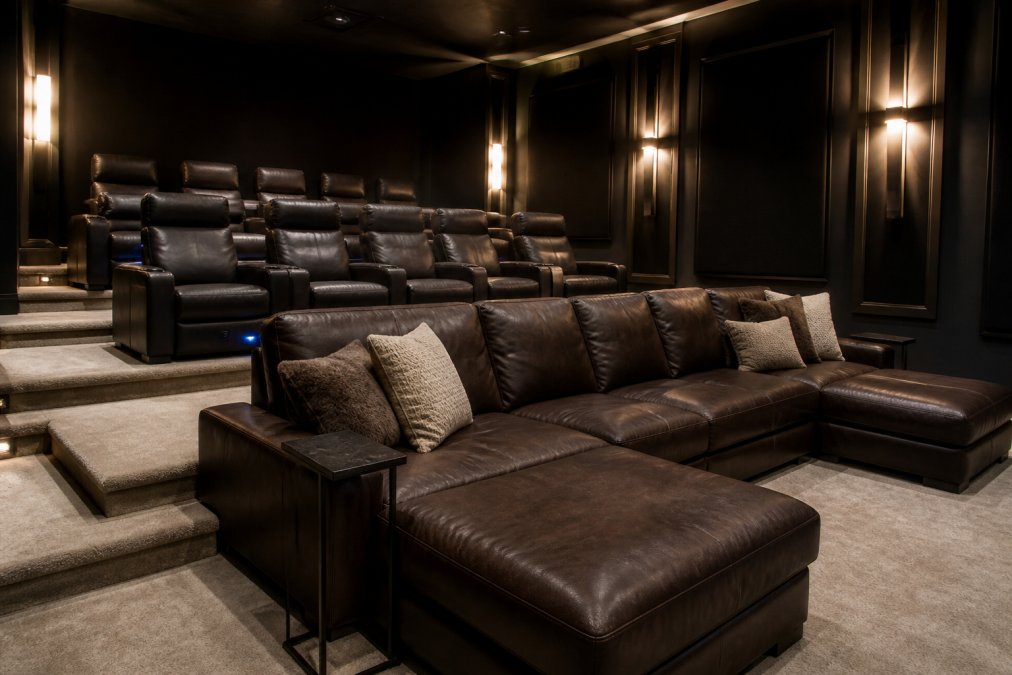
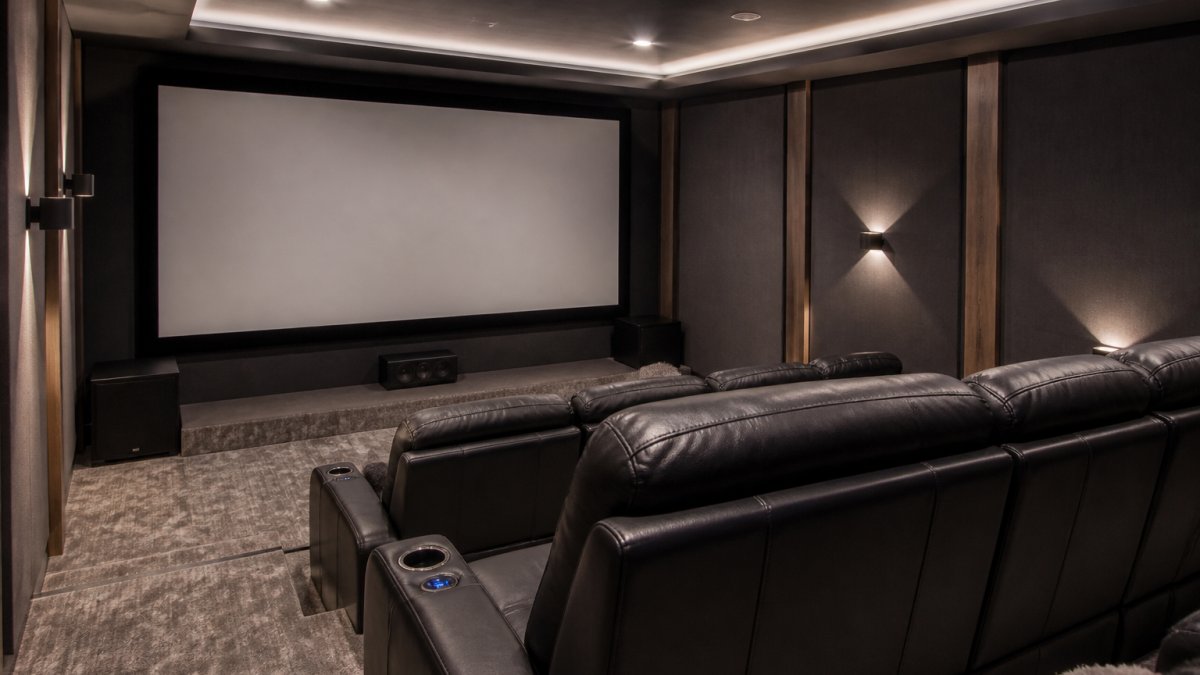
 comparison
Is Custom Home Theater Worth It: A 2026 Guide
Table of Contents
- Is Custom Home Theater Worth It: The Real Verdict
- Custom Home Theater Cost Breakdown
- Custom Home Theater vs. Living Room Setup: When Each Makes Sense
- Does a Home Theater Increase Home Value?
- Home Theater Usage: How Often Will You Actually Use It?
- Professional Installation vs. DIY: What You Need to Know
- How to Decide: A Framework for Your Situation
- Frequently Asked Questions
Last Updated: October 9, 2026
Is Custom Home Theater Worth It: The Real Verdict
Whether a custom home theater is worth it depends entirely on how you'll use it, your budget, and what you're comparing it against. The honest answer: it's worth it for affluent homeowners who prioritize immersive entertainment and have the space and budget to do it right. It's not worth it if you're stretching financially, rarely host guests, or primarily stream casual content on your existing TV.
The decision isn't just about whether you can afford it, it's about understanding the real costs, realistic usage patterns, and whether the investment aligns with how you actually live. Most people underestimate both the installation complexity and the ongoing appeal of a dedicated entertainment space.
The core tension: a custom home theater system can deliver an unmatched immersive experience and become a genuine focal point for your home. But that same system can also sit underutilized, consume significant space, and lock you into expensive upgrades when technology evolves. Between those two outcomes lies the real question: which one will yours be?
Custom Home Theater Cost Breakdown
Equipment, Installation, and Hidden Expenses
A custom home theater is expensive, and the sticker shock often comes from areas homeowners don't anticipate. Let's be specific about where the money actually goes.
Equipment costs vary dramatically based on your ambitions. Premium setups push well beyond that. But equipment is only part of the picture, often not even the biggest part.
Installation labor can equal or exceed equipment costs. Professional installation handles the work that matters: running wiring through walls, calibrating acoustics, mounting heavy components, and integrating everything so it actually works seamlessly. This is where DIY often fails, the complexity isn't the equipment selection, it's the execution.
Then there are the costs nobody budgets for: acoustic treatment (panels, bass traps), room preparation (drywall, lighting control), comfortable seating, and cable management. A quality home theater recliner from Retreat Elite's collection, like the Angelo Power Reclining Sofa at $1,819.98, provides the comfort you'll want for hours of viewing. These additions aren't optional if you want a genuinely immersive experience, they're foundational.
| Cost Category | Budget Range | Notes |
|---|---|---|
| Projector & Screen | $3,000-$8,000 | Entry to mid-range quality |
| AV Receiver & Speakers | $2,500-$6,000 | Core audio system |
| Seating | $1,800-$5,000+ | Comfort-focused recliners |
| Installation Labor | $5,000-$15,000 | Professional wiring & calibration |
| Acoustic Treatment | $2,000-$5,000 | Panels, bass traps, isolation |
| Lighting & Control | $1,500-$4,000 | Dimming, ambient control |
| Total Typical Range | $16,000-$43,000+ | Fully realized dedicated room |
The point: this isn't a weekend project or a casual upgrade. It's a significant home investment that requires careful planning.
Custom Home Theater vs. Living Room Setup: When Each Makes Sense
The real question isn't whether custom home theater is worth it in absolute terms, it's whether it's worth it compared to your alternative: upgrading your existing living room with high-quality entertainment equipment.
A premium living room setup costs less and offers flexibility. You can invest in comfortable seating without dedicating an entire room. You keep the space functional for multiple uses. You maintain design flexibility. If you move, you take the equipment with you.
A custom home theater room commits to a single purpose. You sacrifice square footage. You lock in design decisions. But you gain something the living room can't deliver: true surround sound, projection-based immersion, controlled lighting and acoustics, and a dedicated space that signals entertainment is the priority.
Choose a custom home theater if:
- You have a dedicated room you won't repurpose (basement, bonus room, converted bedroom)
- You watch movies or play games multiple times per week
- You host groups regularly and want to impress with the experience
- Your home theater will increase your property's appeal to future buyers
- You can afford the investment without financial strain
Choose a living room setup if:
- You have limited space or need flexibility
- You watch content casually, not as a primary entertainment activity
- You're uncertain about long-term commitment
- You plan to move within 5-10 years
- You want lower upfront costs and easier upgrades
The MaxView Media Mocha 6-Piece Power Reclining Sectional with Immersive Sound System at $3,299 bridges this gap, it delivers theater-quality seating and integrated audio in a modular format that works in either a dedicated room or an upscale living room. The flexibility matters.
Does a Home Theater Increase Home Value?
This is where expectations often collide with reality. A well-designed custom home theater can increase your home's appeal and perceived value. It signals luxury and entertainment focus. Buyers in affluent markets notice it.
But here's the honest part: a custom home theater rarely returns its full investment at resale. The increase depends on the market, the quality of the installation, and how well it integrates with the home's overall design.
The resale value gain depends on:
- Local market: Luxury markets value entertainment spaces more than suburban or rural markets
- Build quality: A professionally installed system with clean integration adds more value than a DIY setup with visible wiring
- Design integration: A theater room that feels like a natural part of the home appeals more than one that feels bolted-on
- Flexibility: A room that can function as a theater but also as a guest room or office has broader appeal than a single-purpose space
Don't invest in a custom home theater expecting it to pay for itself. Invest in it because you'll use it and enjoy it. The resale value is a secondary benefit, not the primary justification.
Home Theater Usage: How Often Will You Actually Use It?
This is the question that separates worthwhile investments from expensive mistakes. Most homeowners overestimate how often they'll use a dedicated theater room.
The reality: initial enthusiasm often fades. The first month, you might use it several times per week. By month six, it's down to once or twice weekly. By year two, it becomes an occasional luxury rather than a regular destination. Life gets busy. Streaming content is convenient on your existing TV. The novelty wears off.
Ask yourself honestly: How often do you currently watch movies or play games in extended, uninterrupted sessions? That frequency is likely your actual usage baseline. If you watch movies once a month, a custom home theater sits idle most of the time. If you're hosting movie nights every other week or gaming regularly, the math changes entirely.
Usage patterns that justify a custom theater:
- Regular movie nights (2+ times per week)
- Active gaming with friends or family
- Frequent hosting of groups for entertainment
- Strong preference for immersive audio and visual experiences
- Lifestyle that genuinely prioritizes entertainment
Usage patterns that don't justify it:
MaxView Media Mocha 6-Piece Power Reclining Sectional with Immersive Sound →
- Occasional movie watching (once or twice monthly)
- Primarily streaming casual content
- Rarely hosting guests
- Limited time available for entertainment
- Preference for flexibility and multi-use spaces
The investment makes sense when usage is consistent enough that the cost-per-use becomes reasonable. That's the math that determines whether it's actually worth it.
Professional Installation vs. DIY: What You Need to Know
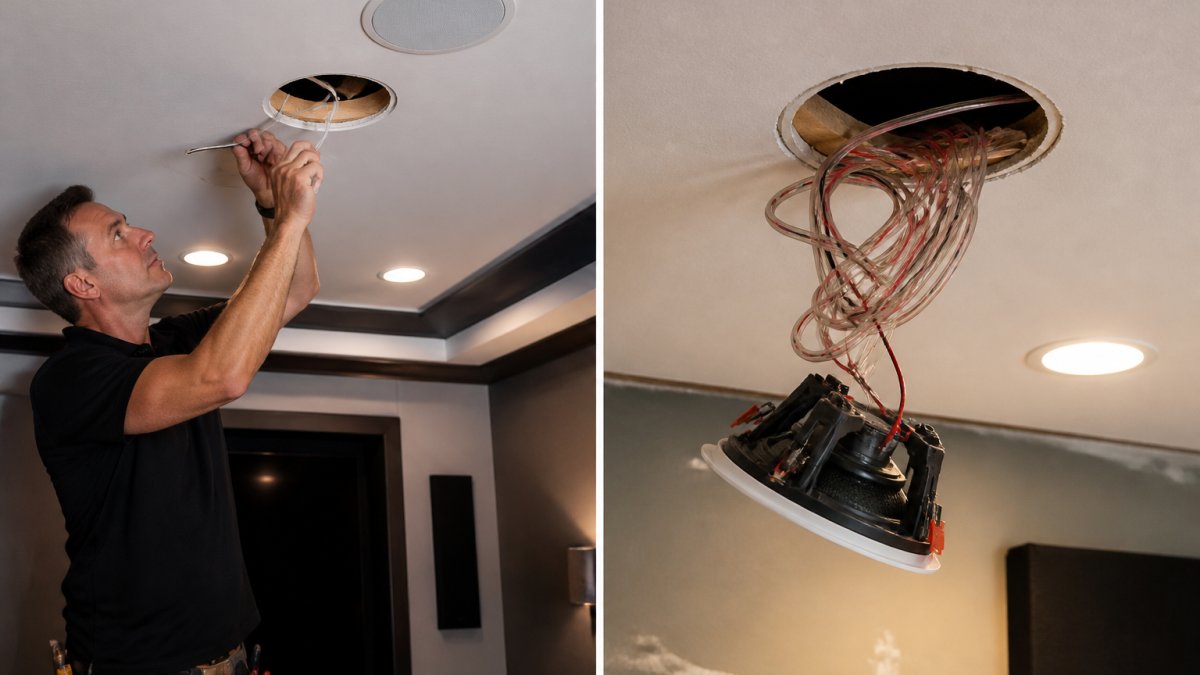
The difference between professional installation and DIY isn't just about convenience, it's about whether your system actually performs as designed.
DIY installation appeals because it saves money. You handle the setup yourself, avoid labor costs, and maintain control. The reality: most DIY installations suffer from poor cable management, inadequate acoustic treatment, improper speaker placement, and miscalibrated audio levels. The system works, but it doesn't deliver the immersive experience you paid for.
The Boyington Black Power Reclining Sofa at $2,339.00 includes features like air massage systems, heated seats, and drop-down tables with integrated power, components that benefit from proper setup to ensure everything functions reliably.
DIY makes sense if you're technically skilled, patient, and willing to accept imperfect results. Professional installation makes sense if you want the system to actually perform as designed. Most homeowners fall into the second category.
How to Decide: A Framework for Your Situation
Rather than asking "Is custom home theater worth it?" ask yourself these specific questions in order:
1. Space & Commitment: Do you have a dedicated room you won't repurpose, and are you comfortable committing that space to entertainment for the foreseeable future?
If no, stop here. A living room upgrade is your answer.
2. Budget Reality: Does this investment align with your overall financial priorities?
If no, a custom theater isn't the right choice right now. Upgrade your living room instead.
3. Usage Honesty: Will you genuinely use this space 2+ times per week, or is that aspirational?
If it's aspirational, the investment won't feel worthwhile. If it's realistic, continue.
4. Resale Indifference: Are you planning to stay in this home long-term (7+ years), or are you comfortable with the fact that you won't recover the full investment if you move?
If you're moving within 5 years, the math gets harder. If you're staying, proceed.
5. Experience Priority: Does creating an immersive, impressive entertainment space genuinely excite you, or does it feel like something you "should" do?
This is the gut check. If you're not genuinely excited about the space, the investment will feel like a burden rather than a benefit.
If you answered yes to all five questions, a custom home theater is worth it for you. If you hesitated on any of them, reconsider.
A custom home theater transforms how you experience entertainment at home. But that transformation only matters if you'll actually use the space and enjoy the investment. At Retreat Elite, we help homeowners navigate this decision by focusing on what genuinely fits their lifestyle and budget. Our curated collections of home theater seating, from the Angelo Power Reclining Sofa to the MaxView Media Mocha Sectional, are designed for spaces that will be used and loved. If you're ready to create a dedicated entertainment space, we're here to help you choose the right pieces to elevate how you live. Browse our home cinema collection and discover how premium seating and thoughtful design can transform your space into a destination for connection and recovery.
Frequently Asked Questions
How much does it cost to build a custom home theater?
Retreat Elite's seating options range from the Angelo Power Reclining Sofa at $1,819.98 to the MaxView Media Mocha Sectional with integrated sound at $3,299, providing quality foundation pieces for your system.
Does a home theater increase home value?
A custom home theater can appeal to affluent buyers but may not recoup full installation costs. Living-room theater setups are more flexible and easier to repurpose if you sell, making them lower-risk for resale. The increase depends on your market, room quality, and how well it integrates with the home's overall design.
Is a dedicated theater room better than a high-quality living room setup?
A dedicated room offers superior acoustics, light control, and immersive surround sound, but requires permanent space commitment and higher costs. A high-quality living-room setup with premium reclining seating like the Boyington Power Reclining Sofa ($2,339) provides excellent comfort and flexibility, you can reconfigure or sell pieces easily. Choose a dedicated room if you have the space and plan to stay long-term; choose a living-room setup if you value versatility and resale flexibility.
How often do people actually use a home theater?
Usage patterns vary widely. Families with young children and regular movie nights use home theaters 3-5 times weekly, while others use them monthly or less. Streaming content, gaming, and sports viewing drive consistent usage more than theatrical releases alone. Before investing, honestly assess your household's entertainment habits, if you watch movies mainly on phones or tablets, a full custom system may sit underutilized.