 how-to
How to Guarantee Premium Furniture Longevity
Table of Contents
- Understanding Premium Furniture Longevity
- Step 1: Select Durable Furniture Materials That Stand the Test
- Step 2: Evaluate Frame Strength and Joinery
- Step 3: Establish a Furniture Care and Maintenance Routine
- Step 4: Protect Against Environmental Damage
- Step 5: Understand Furniture Warranty Coverage and Repairability
- Realistic Furniture Lifespan by Type and Quality
- When to Repair, Replace, or Restore
- Frequently Asked Questions
Last Updated: October 7, 2026
Understanding Premium Furniture Longevity
Premium furniture longevity is the ability of high-quality pieces to maintain their structural integrity, appearance, and function over many years of regular use. Selecting furniture built to last requires knowledge about materials, construction methods, and ongoing care.
Most people assume expensive furniture automatically lasts longer. That's only half true. A $3,000 sofa made with poor joinery will fail faster than a $1,500 piece built with solid wood frames and quality upholstery. What matters most is understanding what you're actually buying, and then protecting that investment through proper maintenance.
This guide walks you through the five essential steps to guarantee your furniture stays beautiful and functional for decades.
Step 1: Select Durable Furniture Materials That Stand the Test
The materials you choose determine how long your furniture will perform. Two pieces can look identical but have vastly different lifespans based on what they're made from.
Solid Wood vs. Composite Construction
Solid wood is the gold standard for furniture that lasts. Hardwoods like oak, walnut, and teak naturally resist warping and splitting. They can be refinished, repaired, and restored. A solid wood frame will support your furniture for 20+ years without sagging.
Composite materials, MDF, particleboard, and veneered plywood, cost less but don't age as well. They can't be repaired the same way. Once composite material breaks down, you're often replacing the entire piece rather than fixing it.
For pieces you plan to keep long-term, solid wood is worth the investment. The NTC Sapa Mid-Century Modern Solid Wood TV Stand is a perfect example, handcrafted entirely from premium solid wood with a timeless walnut finish, it's built to last.
Upholstery and Fabric Durability
Upholstery takes the most abuse. Fabric quality directly impacts how long your sofa or chair will look good.
High-performance fabrics resist staining and fading better than standard textiles. Look for materials rated for heavy use, these are typically rated for 30,000+ double rubs on the Martindale scale, which measures fabric durability.
Leather is durable but needs regular conditioning to prevent cracking. Top-grain leather lasts longer than bonded leather. If you choose leather, budget for annual conditioning to keep it supple and protected.
The fill inside cushions matters too. High-density foam holds its shape longer than low-density foam. Down-filled cushions feel luxurious but require regular fluffing. A combination of foam and down offers the best balance of comfort and longevity.
Step 2: Evaluate Frame Strength and Joinery
A beautiful sofa with a weak frame will disappoint you within five years. The frame is the skeleton of your furniture, if it fails, nothing else matters.
Solid wood frames are stronger than anything else. They won't sag or wobble. Hardwood frames outlast softwood frames, which can develop movement over time.
Joinery, how pieces are connected, determines whether your furniture stays tight or becomes loose and squeaky. The best joinery methods are:
- Mortise and tenon joints: wood pieces fit together like a puzzle, creating a strong connection
- Dowel joints: wooden pegs reinforce the connection between frame pieces
- Corner blocks: additional bracing at joints prevents sagging
- Screws and glue: stronger than nails alone, especially when combined with corner blocks
Cheap furniture uses staples, single nails, or glue only. These fail quickly under weight and movement.
Run your hand under a sofa or chair before buying. Feel for solid wood, corner blocks, and sturdy connections. If it feels flimsy, it will fail. Loose joints that rattle are a red flag.
Step 3: Establish a Furniture Care and Maintenance Routine
Buying quality furniture is just the beginning. How you care for it determines whether it lasts 5 years or 25 years.
Room-by-Room Maintenance Schedule
Different rooms create different challenges for furniture. A bedroom sofa faces less wear than a living room sectional. A dining chair takes more abuse than a bedroom accent chair.
Create a simple maintenance calendar:
Living Room (high traffic):
- Weekly: vacuum upholstery, fluff cushions
- Monthly: spot-clean stains, check for loose screws
- Quarterly: deep clean upholstery, inspect for damage
- Annually: professional cleaning, condition leather if applicable
Bedroom (moderate traffic):
- Weekly: light vacuuming
- Monthly: check for loose connections
- Quarterly: spot-clean stains
- Annually: inspect frame and joinery
Dining Room (food and spill exposure):
- Daily: wipe spills immediately
- Weekly: vacuum, check for stains
- Monthly: deep clean surface, tighten hardware
- Quarterly: inspect wood finish for damage
- Annually: refinish wood if needed, professional upholstery cleaning
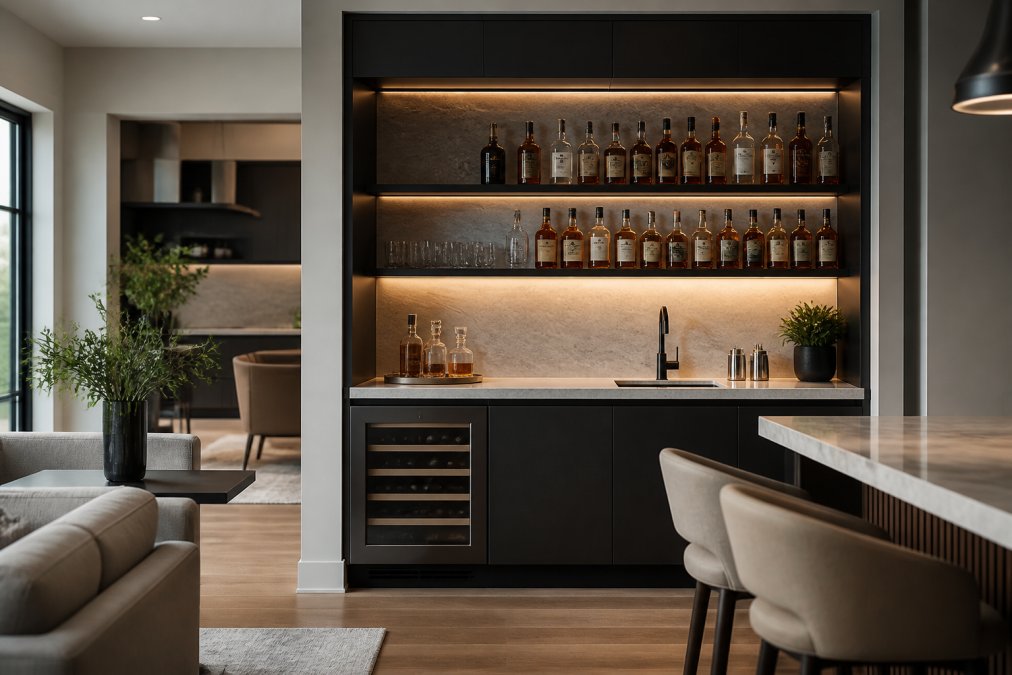
Home Bar or Entertainment Area (occasional use, high-value pieces):
- Weekly: dust surfaces, check for spills
- Monthly: condition wood, inspect hardware
- Quarterly: professional cleaning of premium pieces
- Annually: full inspection and maintenance
Material-Specific Care Instructions
Different materials need different approaches. Using the wrong cleaner can damage your investment.
Solid Wood:
- Dust weekly with a soft, dry cloth
- Avoid water and moisture, use coasters under drinks
- Clean spills immediately to prevent staining
- Use wood conditioner annually to prevent drying and cracking
- Never place hot items directly on wood surfaces
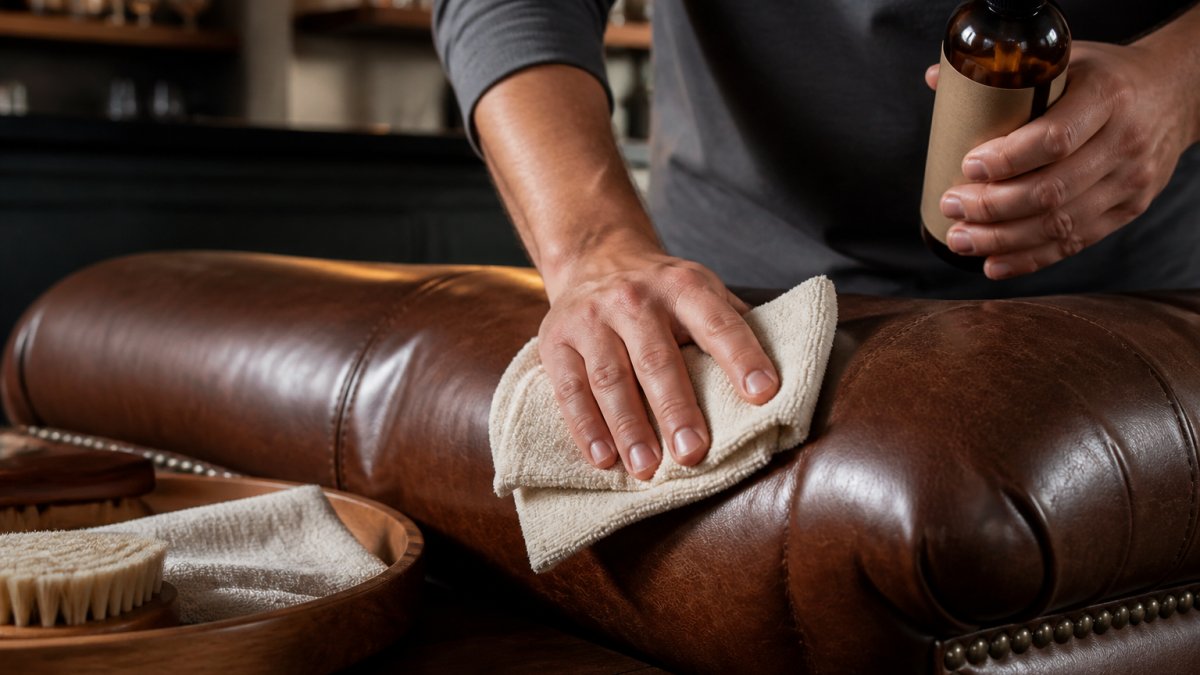
Leather:
- Vacuum monthly with upholstery attachment
- Condition twice yearly to prevent cracking
- Clean spills immediately with a damp cloth
- Avoid direct sunlight, which causes fading
- Never use harsh chemicals, leather is porous and absorbs everything
Upholstered Fabric:
- Vacuum weekly to prevent dirt from embedding
- Rotate cushions monthly to distribute wear evenly
- Spot-clean stains immediately with appropriate cleaner for fabric type
- Professional cleaning annually keeps fabric fresh
- Avoid direct sunlight to prevent fading
Hardware and Metal:
- Tighten screws and bolts monthly
- Wipe hardware with a dry cloth to prevent oxidation
- Use appropriate cleaner for metal type, brass, chrome, and stainless steel require different products
Step 4: Protect Against Environmental Damage
Your home's environment is constantly working against your furniture. Heat, light, moisture, and temperature swings cause damage that compounds over time.
NTC Sapa Mid-Century Modern Solid Wood TV Stand 4-Door Media Console →
Sunlight is the biggest culprit. UV rays fade fabric and leather, bleach colors, and can weaken fibers.
Heat sources, radiators, fireplaces, heating vents, dry out wood and leather. Keep furniture at least three feet away from direct heat.
Humidity and moisture cause wood to warp and swell. Moisture also promotes mold and mildew in upholstery. Keep humidity between 40-50%.
Temperature swings stress wood frames. Avoid placing furniture near doors, windows, or air conditioning vents where temperature fluctuates rapidly.
Dust and dirt embed themselves in fabric and scratch wood finishes. Vacuum regularly and dust surfaces weekly.
Step 5: Understand Furniture Warranty Coverage and Repairability
A good warranty reflects manufacturer confidence in their product. It also tells you whether you can get repairs and replacement parts down the road.
What to look for in a warranty:
- Frame coverage: Does it cover structural failure? For how long?
- Seam coverage: Are seams guaranteed against splitting?
- Cushion coverage: How long do cushions stay covered? Do they cover sagging?
- Fabric coverage: Are stains and normal wear covered? (Usually not, that's expected wear)
- Duration: 1-year warranties are standard. 5-year or longer shows confidence in quality
Beyond warranty, ask about repairability. Can you buy replacement cushions? Are legs replaceable? Can the frame be repaired if it breaks?
At Retreat Elite, we provide clear product information including dimensions and specifications so you understand exactly what you're getting. We also offer expert guidance via phone and email for specifications and setup.
Some manufacturers offer lifetime repair programs. This is a strong signal of quality. If a company will repair a piece indefinitely, they're confident in its construction.
Realistic Furniture Lifespan by Type and Quality
Different furniture types have different realistic lifespans. Understanding these helps you make informed decisions about what to invest in.
Sofas and Sectionals:
- Budget quality: 5-7 years
- Mid-range quality: 10-15 years
- Premium quality with solid wood frame: 15-25 years
Dining Chairs:
- Budget quality: 5-8 years
- Mid-range quality: 10-15 years
- Premium solid wood with quality upholstery: 20-30 years
Entertainment Centers and TV Stands:
- Composite construction: 8-12 years
- Solid wood like the NTC Sapa with premium materials: 20+ years, with potential for refinishing and restoration
Bedroom Furniture:
- Budget quality: 8-10 years
- Premium solid wood: 25-40 years
Bar Furniture and Statement Pieces:
- Composite: 10-15 years
- Solid wood with quality craftsmanship: 30+ years, often improving with age
These timelines assume normal use and proper care. Furniture abused or neglected will fail much sooner. Furniture properly maintained can exceed these estimates significantly.
When to Repair, Replace, or Restore
Not every problem means buying new furniture. Knowing when to fix versus replace saves money and keeps pieces you love in your home.
Repair these problems:
- Loose screws and hardware
- Broken legs (can be replaced)
- Torn fabric on upholstery (can be patched or reupholstered)
- Stains (professional cleaning often removes them)
- Scratches on wood (can be sanded and refinished)
- Squeaky joints (often just need tightening)
Consider reupholstering when:
- The frame is solid but upholstery is worn
- You want to update colors or style
- Stains won't come out and the fabric is otherwise good
- The cost is less than replacing the entire piece
Reupholstering a quality frame can cost $800-3,000 but extends life by another 10-15 years. It's almost always worth it for premium pieces.
Replace when:
- The frame is broken and repair is impossible
- Multiple structural failures indicate systemic problems
- Repair costs exceed 60% of replacement cost
- The piece is beyond restoration
Professional restoration is an option for heirloom or high-value pieces. Restorers can rebuild frames, replace hardware, and refinish wood to like-new condition. This costs more but preserves furniture with sentimental or significant monetary value.
Premium furniture longevity comes down to smart choices upfront and consistent care afterward. Browse our curated collection of premium entertainment, hosting, and wellness pieces, and discover pieces that will elevate how you live for years to come.
Frequently Asked Questions
What makes premium furniture last longer than standard pieces?
Premium furniture longevity depends on three factors: solid wood and high-quality materials resist warping and deterioration; superior frame construction with mortise-and-tenon joinery or dowel joinery prevents frame failure; and quality upholstery with high-density cushion filling maintains support over years of use. Premium pieces also receive hand-finished details and protective coatings that extend lifespan. Combined with proper maintenance, premium furniture typically lasts 15-20 years or more, compared to 5-10 years for standard pieces.
What should you check in a furniture warranty to ensure long-term protection?
Look for warranty coverage that specifies what defects are covered (frame damage, joinery failure, cushion sagging, upholstery tears) and for how long (typically 1-10 years). Verify whether the warranty covers normal wear, accidental damage, or only manufacturing defects. Check if replacement parts are available and whether repairs are covered fully or partially. Ask about the claim process and whether the brand offers local repair services. A strong furniture warranty coverage plan should address frame strength, joinery integrity, and upholstery durability, the three areas most likely to fail.
How often should you clean and condition different furniture materials?
Solid wood furniture should be dusted weekly and conditioned every 3-6 months with quality wood conditioner to prevent drying and cracking. Leather upholstery needs gentle cleaning monthly and conditioning every 6-12 months to maintain suppleness and prevent cracking. Fabric upholstery should be vacuumed weekly and spot-cleaned as needed; deep cleaning every 12-18 months prevents dirt buildup. Marble or stone surfaces require weekly cleaning with pH-neutral cleaner and immediate attention to spills to prevent staining. Establishing a furniture care and maintenance schedule tailored to your materials prevents premature deterioration and extends lifespan significantly.
What is a realistic furniture lifespan for high-end pieces?
Premium furniture lifespan varies by type and material. Solid wood entertainment centers and media consoles typically last 20-30 years with proper care. High-quality upholstered seating lasts 15-20 years before cushions may need replacement. Premium pool tables with slate and solid wood construction last 25+ years. Bar furniture crafted from reclaimed teak or hardwood can last 30+ years. The key factor is regular maintenance: protecting against sunlight and moisture, tightening loose screws and hardware, and addressing damage promptly extends lifespan well beyond industry averages.